
How to Choose a Roast for a Small Gathering
Start with Your Guest List and Your Budget
A roast dinner for six is a very different prospect from feeding a full table at Christmas. With fewer mouths to feed, every choice matters more: the joint you pick needs to fit your oven, your wallet and the appetites in front of you. Before you reach for the butcher's paper, settle two things. How many of your guests eat meat, and is anyone vegetarian or vegan? And what are you happy to spend on the centrepiece? That second figure narrows the field faster than anything else.
As a rough guide, allow 200g of raw meat per person for a bone-in joint, or 150g if you are buying boneless. For four people that means around 800g to 1kg; for six, roughly 1.2kg to 1.5kg. Buying a joint slightly larger than you need is rarely a mistake — cold roast meat is one of the great pleasures of the following day.
Beef: The Showstopper for a Special Occasion
Beef sits at the top of the price range and, for many, the top of the wish list. A rolled sirloin, a rib on the bone or a topside all work well for a small gathering, and a 1.5kg joint will comfortably serve six with leftovers. Rib on the bone has the deepest flavour and the most dramatic table presence, but it costs more per kilo and can be awkward to carve. Topside is leaner and kinder to the budget; sirloin sits neatly between the two.
Cook at 180°C fan, allowing roughly 20 minutes per 500g plus 20 minutes for medium-rare, adding 10 to 15 minutes if your guests prefer it well done. Rest under foil for at least 20 minutes before carving — this is not optional, and it is the step most home cooks rush. Serve with horseradish, Yorkshire puddings and a strong red wine gravy.
Lamb: The Middle Ground with Big Flavour
Lamb often gets overlooked for small roasts, which is a shame. A half leg or a small shoulder feeds four to six beautifully, and shoulder is forgiving: if it spends an extra twenty minutes in the oven, it simply becomes more tender. Expect to pay less than for good beef but more than for pork.
For a half leg, roast at 180°C fan for about 25 minutes per 500g plus 25 minutes, aiming for pink meat. Shoulder rewards slow cooking — three to four hours at 160°C, covered, until it pulls apart with a spoon. Pair lamb with mint sauce, redcurrant jelly or a sharp gremolata, and roast your potatoes in the same tin. If any of your guests avoid red meat for religious reasons, lamb is out, so check before you buy.
Pork: The Budget-Friendly Crowd-Pleaser
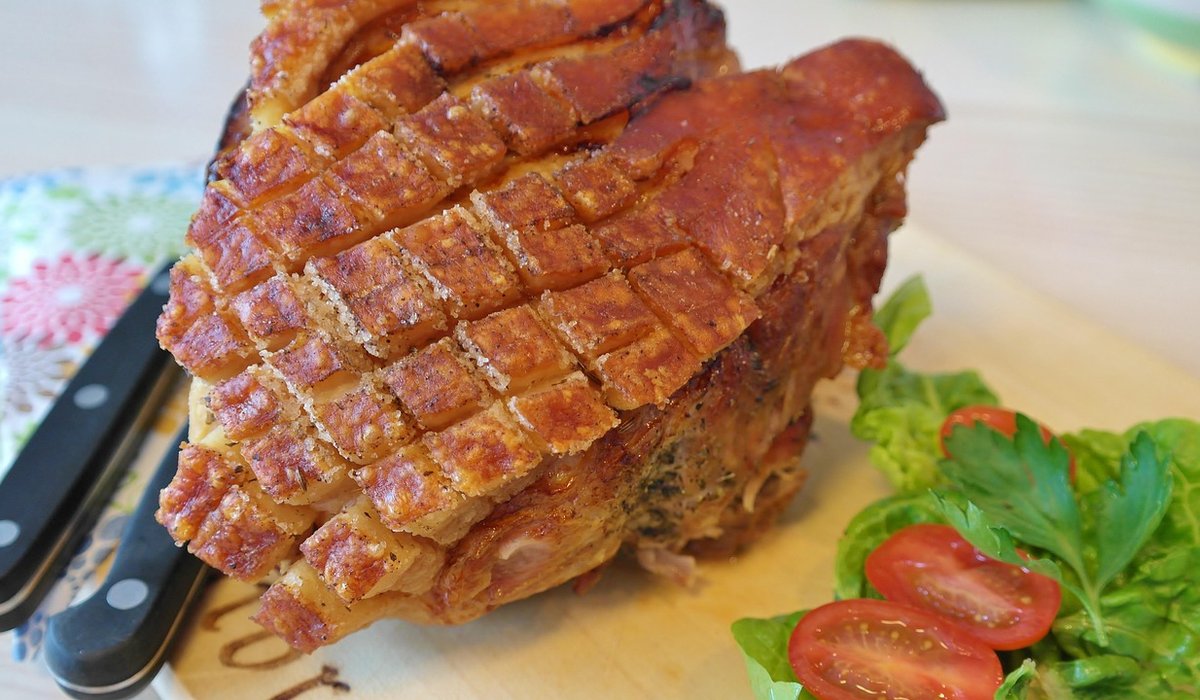
Pork is the quiet hero of the affordable roast. A loin joint on the bone, a rolled shoulder or a piece of belly will all feed a small gathering for noticeably less than beef, and crackling gives you a bit of theatre for very little effort. A 1.5kg loin serves six generously.
The key is heat and dryness. Score the skin, rub it with oil and plenty of salt, and start the joint at 220°C for 25 minutes before dropping to 180°C fan for roughly 30 minutes per 500g. Do not baste the skin or cover it, or you will lose the crackling. Rest for 20 minutes, then carve. Apple sauce, sage and onion stuffing and a dab of mustard are all you need alongside.
Nut Roast: The Plant-Based Option That Earns Its Place
If one or two guests are vegetarian or vegan, a nut roast is no longer a consolation prize. A well-made one — chestnuts, mushrooms, lentils, herbs, a little ale or vegetable stock — is savoury, substantial and genuinely good cold the next day. It also costs a fraction of a joint of beef, which helps at a mixed table.
Bake it in a lined loaf tin at 180°C fan for 45 to 60 minutes, until firm to the touch and browned on top. Let it stand for 10 minutes before turning out, or it will crumble. If meat-eaters are present too, make enough for everyone to have a slice alongside their roast; it disappears quickly. Check labels for vegan stock and suet if that matters to your guests.
Weigh Up Cooking Times, Carving and Oven Space
Once you have narrowed the choice, think about the practicalities of the day itself.
- Cooking time: beef and lamb are quick, pork is moderate, and a slow-cooked shoulder or a nut roast demands a longer, calmer window.
- Resting: every roast needs 15 to 30 minutes out of the oven, which is exactly when you should be finishing the potatoes and gravy.
- Carving: bone-in joints look magnificent but test your knife skills. Boneless rolled joints slice more neatly for a small table.
- Oven space: with one oven, the roast takes priority. Choose a joint that fits your largest tin with room for potatoes around it.
- Dietary needs: at a mixed gathering, a nut roast alongside a smaller joint often works better than one large piece of meat.
Whichever you choose, buy from a butcher you trust, season generously, and give the meat the rest it deserves. A small gathering is the perfect excuse to cook one thing properly rather than many things adequately.

4 Comments