
Understanding Allergen Information on a Pub Menu
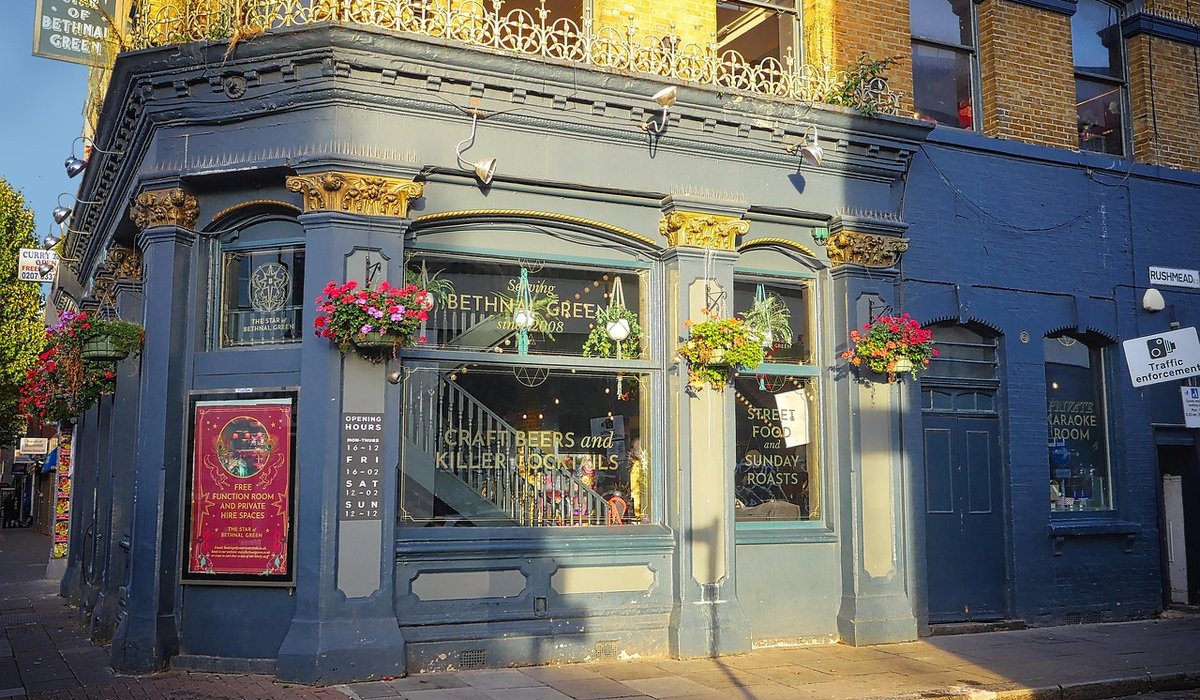
Why Allergen Clarity Matters in a British Pub
A traditional British pub or inn is more than a place to eat and drink. It is a community hub: a warm room where regulars catch up, families celebrate, and travellers find a welcome. For guests with food allergies, though, that welcome depends on clear information. The menu is often the first point of contact. Clear allergen information is not just a legal duty; it is a basic act of hospitality. UK regulations require the 14 major allergens to be declared for food served loose or prepacked for direct sale. But rules only go so far. Warm, specific communication turns a risky meal into a relaxed one.
The 14 Allergens to Look For
In the UK, the 14 allergens that must be highlighted are celery, cereals containing gluten, crustaceans, eggs, fish, lupin, milk, molluscs, mustard, peanuts, sesame, soybeans, sulphur dioxide/sulphites, and tree nuts. Pub menus should make these easy to spot. Here are common pub dishes and where allergens often hide:
- Steak and ale pie: gluten in pastry and ale, milk in butter or cream, celery and mustard in stock or seasoning.
- Fish and chips: fish, gluten in batter, eggs in tartare sauce, and sometimes milk in batter or mushy peas.
- Sunday roast: celery in stuffing, milk in Yorkshire pudding and mash, gluten in gravy, and sulphites in wine or gravy.
- Bangers and mash: gluten in sausages, mustard in seasoning, milk in mash, and sulphites in onions.
- Ploughman's lunch: gluten in bread, milk in cheese, mustard in pickle, and eggs in Scotch egg.
- Sticky toffee pudding: gluten, milk, eggs, and sometimes tree nuts or sulphites in dates.
This is not about scaring anyone. It is about knowing what to ask.
How a Good Pub Menu Communicates Allergens
A well-designed menu does not hide allergen information in tiny print. It uses a clear key, symbols, or a separate allergen matrix. Every dish should list the 14 allergens or state "allergen information available". Staff should be able to hand you a folder or tablet with up-to-date details. Daily specials and chalkboard dishes need the same treatment. If a dish changes recipe, the allergen information must change too. Good pubs also note cross-contact risks: shared fryers, grills, and preparation boards. They avoid vague phrases like "may contain" unless truly unavoidable. Instead, they say "cooked in a fryer that also cooks battered fish" or "prepared in a kitchen that handles nuts". That honesty helps you decide.
What to Ask When You Sit Down
As a guest, you are not being difficult by asking questions. You are helping the pub get it right. Start by telling staff about your allergy when you book and again when you arrive. Be specific: "I have a severe allergy to milk" is clearer than "I can't have dairy". Then ask about preparation methods:
- Is the batter made with milk or egg?
- Is the gravy thickened with wheat flour?
- Are the chips cooked in the same oil as fish or scampi?
- Does the stuffing contain celery or onion?
- Is the mayonnaise or tartare sauce made in-house?
- Can the kitchen use a clean pan, separate utensils, and fresh oil?
If staff seem unsure, ask them to check with the kitchen. A good pub will never guess. If they cannot guarantee safety, respect that answer and choose a simpler dish, such as a plain grilled meat with steamed vegetables, or ask about a salad with oil and vinegar. Remember that vegan and gluten-free labels are not automatically safe for other allergens. Always confirm.
Behind the Bar: How Staff Can Help
Pub staff are the bridge between the menu and the kitchen. They should be trained to recognise the 14 allergens, know where the allergen matrix is kept, and never guess. When a guest declares an allergy, the order should be flagged clearly to the kitchen. Chefs should use separate utensils, clean surfaces, and wash hands. If a dish cannot be made safely, staff should say so honestly and offer alternatives. Communication between front of house and kitchen is essential, especially during busy service. A quiet word now prevents a medical emergency later. Pubs that invest in training and clear systems earn loyalty from regulars who have allergies, as well as from their families and friends.
Building a Safer, More Welcoming Pub
Allergen awareness is part of good hospitality. It is not about paperwork or fear. It is about making everyone feel welcome, whether they are popping in for a pint and a packet of crisps or celebrating a birthday with a three-course meal. Menus should highlight common allergens, staff should explain preparation methods, and guests should feel confident to ask. Clear communication helps every guest dine safely. When a pub gets this right, it strengthens its role as a true community hub: a place where everyone can relax, share a table, and enjoy traditional British food without worry. So next time you see an allergen key on a menu, use it. Ask your questions. Thank the staff who take them seriously. And if you run a pub, review your allergen information today. A little clarity goes a long way.

4 Comments